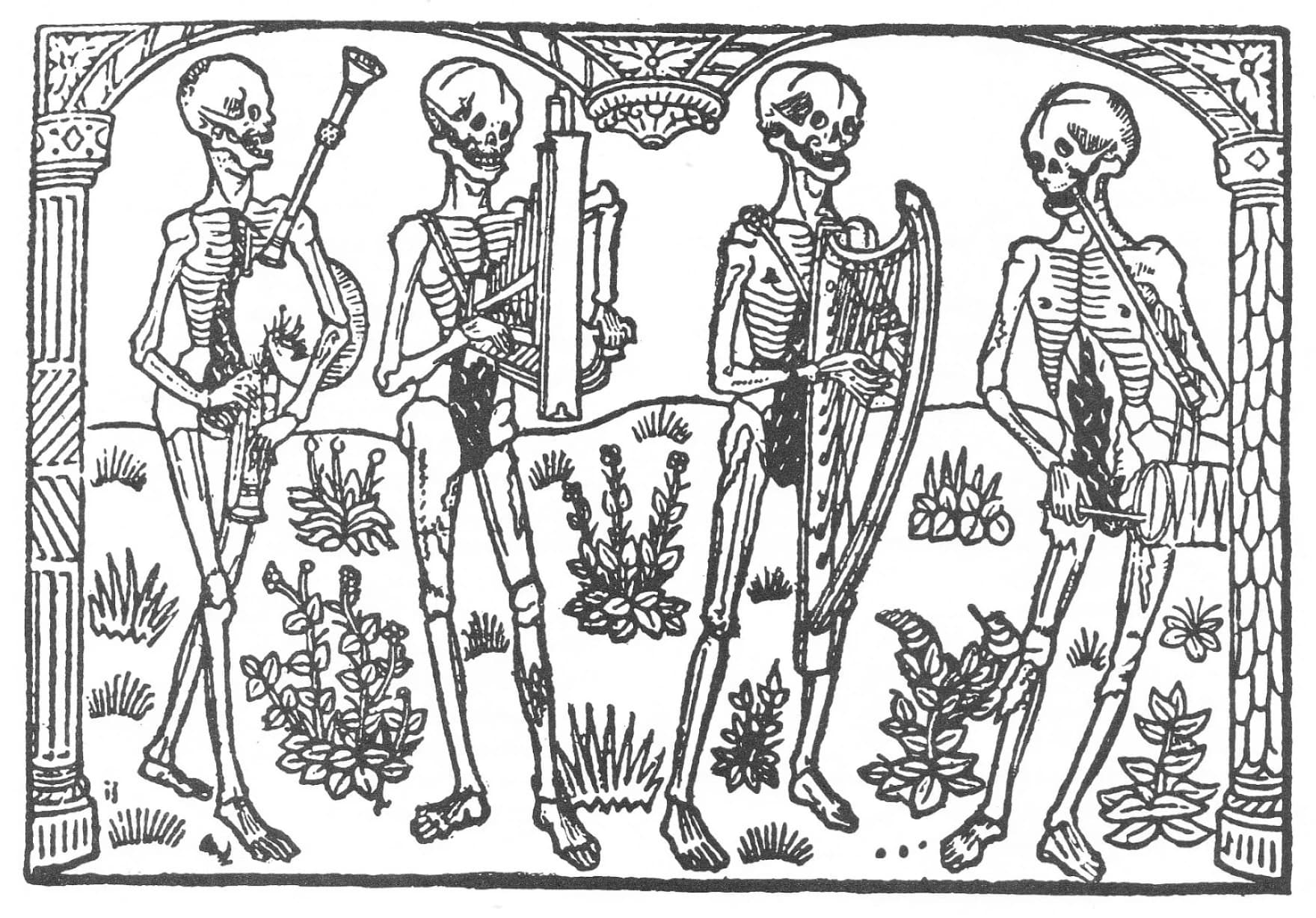
"Only the good die young." Someone said it. And it may sound like a cliché, but maybe it's true when it comes to NFTs. Over the past decade, we have seen various applications of blockchain technology, and unfortunately, one of the most interesting ones has been unfairly subjected to the greatest criticism and mockery, as well as a premature death.
However, NFTs were not killed by this criticism, which mostly came from people who already held a prejudice tout court towards the crypto world. NFTs were killed by bad taste. A provocative or snobbish statement? Perhaps, but that doesn't make it any less plausible. In the past years, we have seen many critics of NFTs focus, with easy irony, on the alleged absurdity of making something infinitely reproducible, like a digital image, unique. This is a banality that doesn't even try to hide a certain moralistic vein tied to the economic value attributed to some of them.
A prime example is the famous laughter of Keanu Reeves, whom we will always love dearly regardless, who dismissed the issue during an interview by joking about how easily NFT images can be copied.
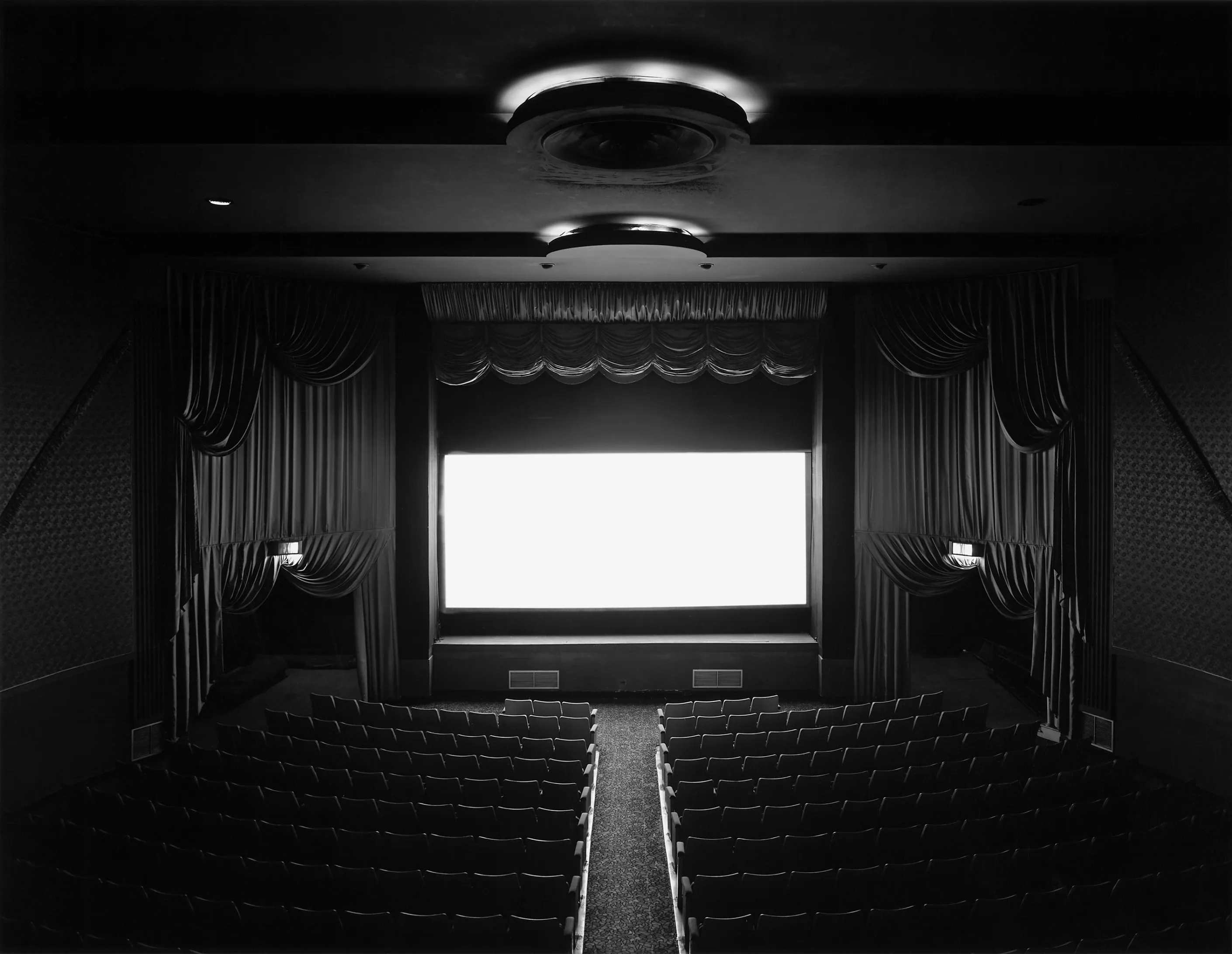
Yet, this argument forgets that in the art world, it is absolutely the norm to make "unique" works that, by their very nature and just like digital images, could be reproduced indefinitely. Take photography, for instance. There is no difference between a photograph by Hiroshi Sugimoto, signed on the back as a single edition, and an NFT of a punk with its digital signature certifying its uniqueness. We could print a reproduction of Sugimoto's photo and hang it at home, or copy the punk's PNG file.
Another context where NFTs have been the target of fierce criticism is the gaming world. In this case, to be fair, the backlash was primarily directed at software houses, guilty of demonstrating a disgusting and pantagruelian greed. Greed that killed in its infancy the attempt to introduce a technology that could have actually brought practical benefits to players.
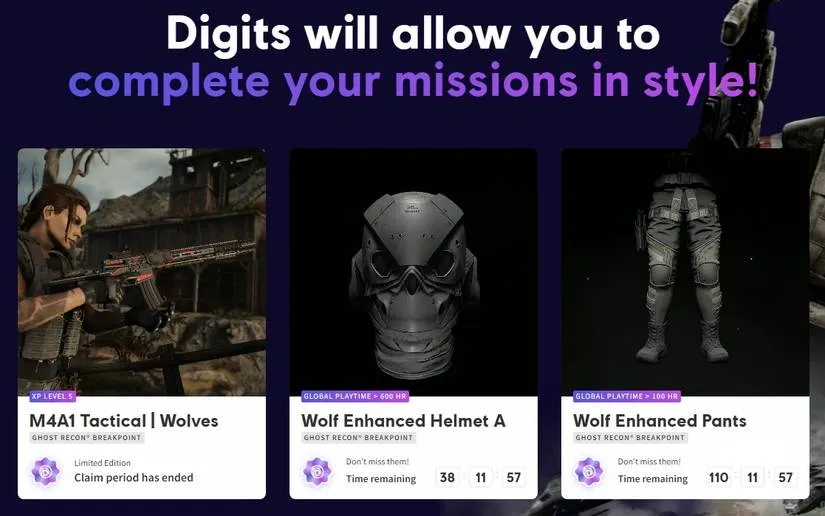
We have seen countless projects speculate on the pre-sale of NFTs tied to non-existent games, or cases like Ubisoft with its Quartz platform, which made its digital assets obtainable only through gameplay requirements so exhausting that the whole operation turned into pure speculation. All of this overshadowed concepts like ownership of one's digital in-game assets and independence from software houses' servers, which represent an indisputable advantage for the players.
And here we return to the initial thesis: what killed NFTs was not the technology itself or its potential practical applications, but bad taste. In the creative and artistic realm, one need only look at collections like the Bored Apes or the 0N1 Force, completely devoid of any artistic quality or the most basic good taste, and betraying the purely speculative, money-boasting reason for their existence. It's not a coincidence that the latter were purchased by celebrated masters of elegance like Logan Paul. And yes, that's the part where I am a snob.
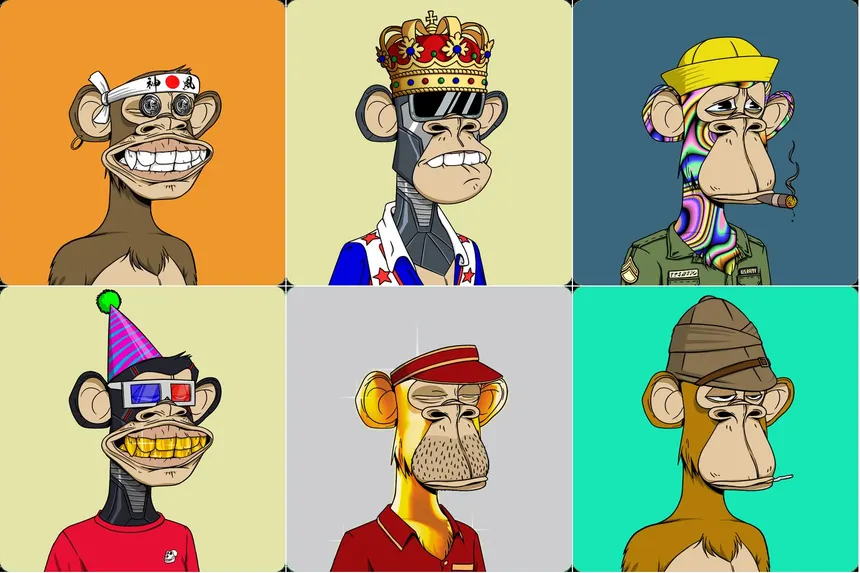
Collections like these show the bare minimum of visual effort, limiting themselves to the repetition of the same skeleton, dressed each time in different attributes, which is not image-making but mere combinatorics. To this they add the obsessive and comforting repetition of the meme, a sameness that gets sold as a sense of belonging, but that results in a form of conformism. And then comes the worst part, the economic one, where an arbitrary scarcity is passed off as taste, and one attribute is declared rarer, and therefore worthier, than another, a spreadsheet dressed up as connoisseurship. Bad craft, bad culture and bad money, three variants of the same bad taste.
In practical applications, bad taste translates into the greed shown by corporations, in our specific case gaming companies, issuing them, which were rightly called out by the player community. And finally, there is a third case of bad taste, expressed by a part of the crypto scene itself and its users, who are unable to free themselves from a constant obsession with money. This greed often turns into blinders that prevent them from grasping other utilities of the technology or looking at cool products linked to this world without evaluating them in relation to the profit they can make out of them.
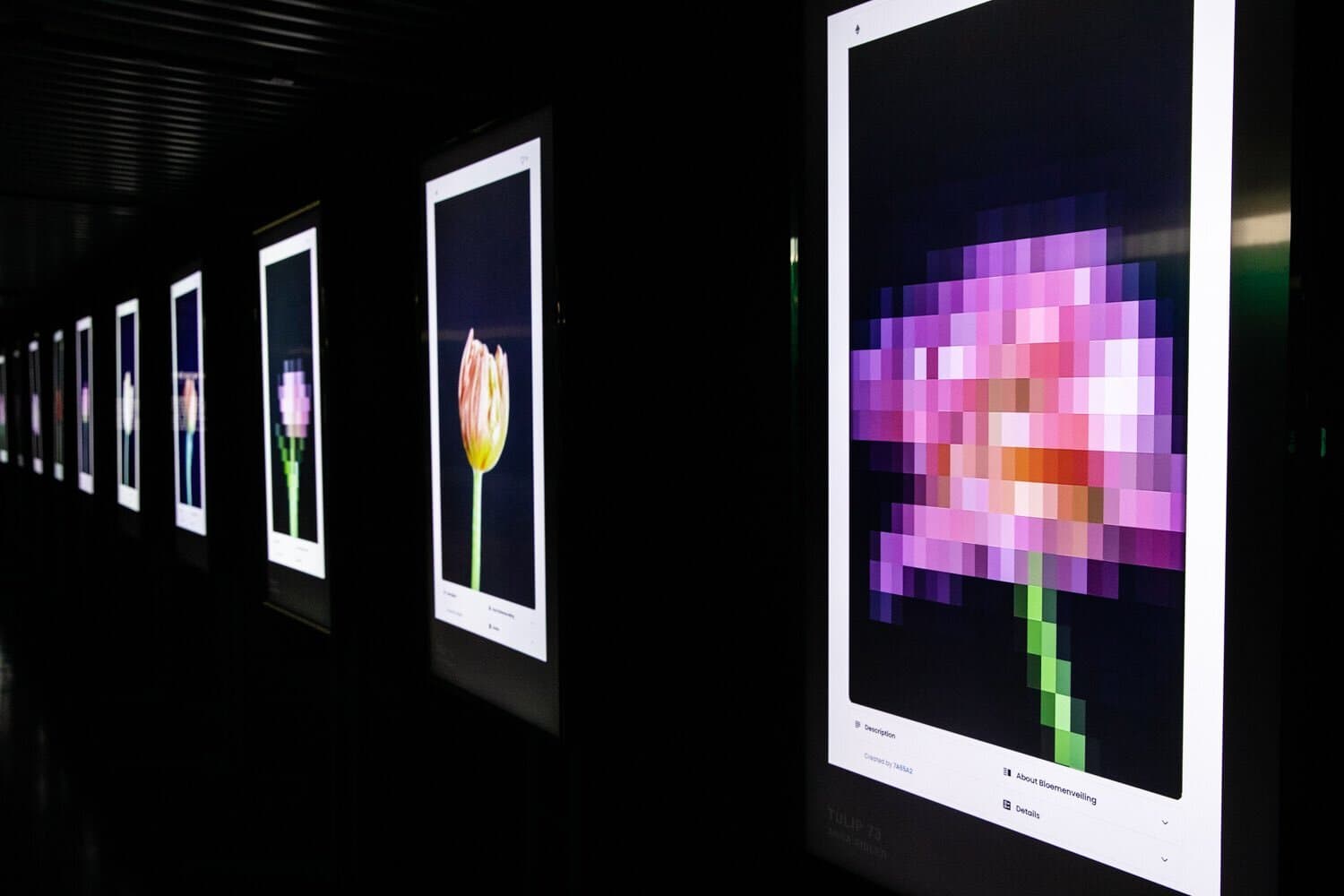
But there were also cases of a smart and creative use of the technology in the artistic field. Take Anna Ridler. In her work Bloemenveiling, which in Dutch means "flower auction", she generated a series of tulips with a neural network and sold them as NFTs on the blockchain, with one peculiarity written into the smart contract itself: each tulip would bloom for about a week, the lifespan of a real cut flower, and then wither and disappear from the view of whoever had bought it. It is impossible not to read it as a reflection on the Dutch tulip mania of the seventeenth century, and through it on the speculative bubbles of our own crypto era, the very same speculation that did so much to kill this medium.
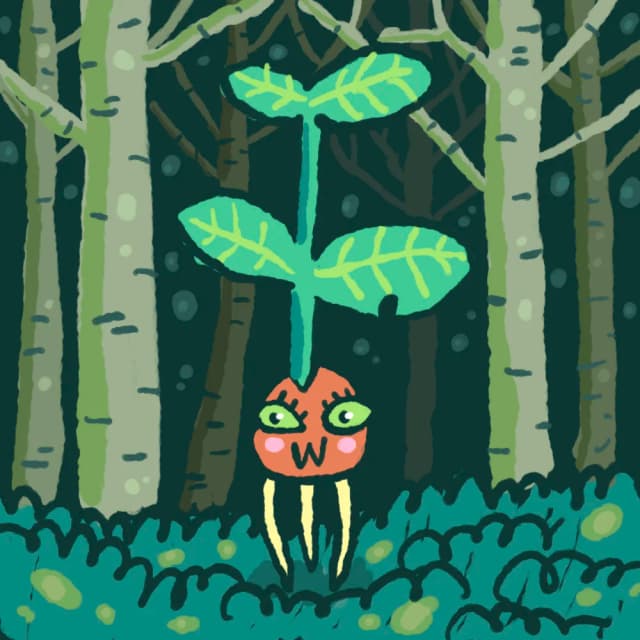
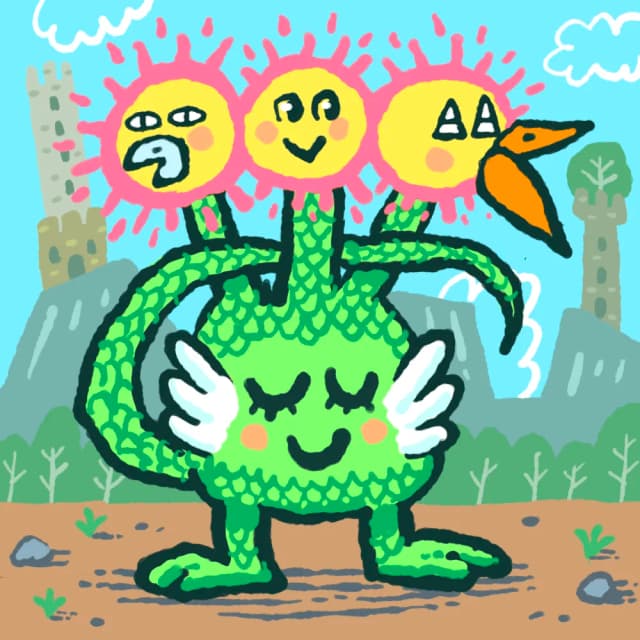
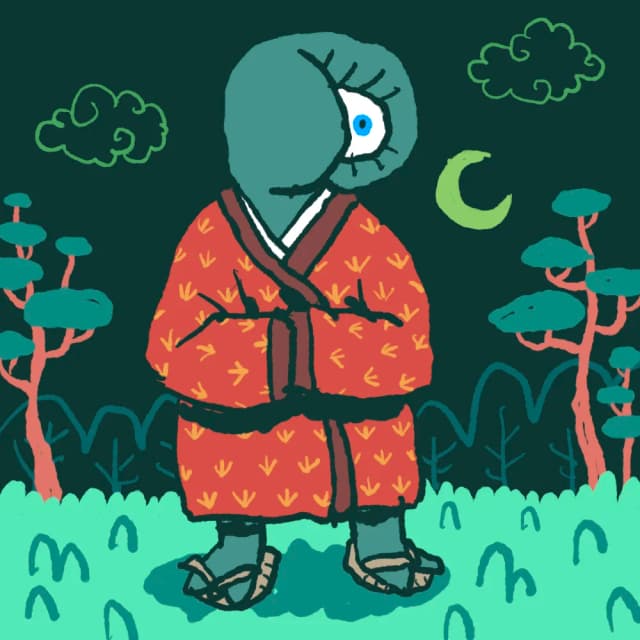
With FOLK, we tried to take the same approach, making NFT technology an integral part of the gameplay, both from an artistic and ownership perspective, but also by using scarcity as a gameplay mechanic in the hands of the player, leaving them free to manage this scarcity in whatever way they preferred. It was an experiment we consider successful: the community embraced the game and rallied behind us, and after 2 years it is still active on social channels. Something we can't say of many games that were built on Telegram. If there was a limit, it's not in the NFT technology itself, but in the cyclical nature of the crypto ecosystem that affects userbase engagement.
Despite everything, a small underground of artists still works with NFTs, and can be found on platforms like SuperRare or Objkt, a benchmark for digital art on the Tezos blockchain. And we should not forget that this technology marked a fundamental step toward giving users ownership of their own data, wresting it from the control of corporations, the same direction in which, today, Bluesky's AT Protocol is moving too.
Therefore, we can only appreciate and celebrate the efforts of the artistic community that continues to build and champion the creative side of the blockchain, embracing the anarchic spirit of the technology and the opportunities it offers. So, yes: maybe bad taste killed NFTs, but maybe they are just in a temporary coma.